Wedding Cake Cutting Ceremony Etiquette Rules: The Complete Couple's Guide
Master wedding cake cutting ceremony etiquette rules with our expert guide — timing tips, symbolic traditions, and photographer coordination advice.
Sarah Mitchell
Your wedding cake cutting ceremony is more than just dessert — it's one of the most photographed moments of your entire reception. But with so many traditions, logistics, and eager guests watching, it's easy to feel uncertain about doing it "right." Whether you're a stickler for tradition or looking to put your own spin on things, understanding the wedding cake cutting ceremony etiquette rules will help you feel confident, coordinated, and completely in the moment.
Why the Cake Cutting Ceremony Still Matters
In an era of dessert bars and donut walls, the traditional cake cutting remains one of the most emotionally resonant moments of any wedding reception. It's the first symbolic act you perform together as a married couple — a gesture of mutual care and shared future. Understanding the wedding cake cutting ceremony etiquette rules isn't about being rigid; it's about making an informed, intentional choice that reflects who you are as a couple.
Before you even think about the ceremony itself, you'll want a cake that deserves to be center stage. Browse beautiful wedding cake styles and local bakers at WeddingCakeHub to find the perfect showstopper for your big day.
When Should You Cut the Cake?
Timing is everything. Most wedding planners recommend cutting the cake approximately 60 to 90 minutes after dinner service begins — after guests have eaten their main course but before the evening winds down. Here's why this window works:
- Guest energy is high. Everyone is full, happy, and still present.
- Photographers are primed. Your photographer won't be juggling cocktail hour chaos.
- Catering can serve quickly. Cutting signals the kitchen to begin plating and distributing slices.
Avoid cutting too early (it can feel rushed and interrupts cocktail-hour energy) or too late (guests may have already left or be tired). Coordinate the exact time with your venue coordinator and catering manager at least a week in advance.
Who Cuts the Cake — and How?
Traditionally, both partners hold the knife together for the first cut, with the person wearing the wedding ring on the outside placing their hand over their partner's. This isn't just ceremonial — it symbolizes unity and the couple's first joint act of "providing" for their guests.
The classic cut is made into the bottom tier, typically about two inches deep, to produce a clean, photo-friendly slice. Avoid sawing motions; use a confident, single downward press with a slight forward push.
The feeding tradition: Each partner feeds a small piece to the other. Etiquette experts generally advise keeping this gentle — smashing cake into each other's faces has become a polarizing move that some couples love and others deeply regret (especially when they remember the professional photos). Discuss this beforehand so neither of you is caught off guard.
The Symbolic Meaning Behind Different Cutting Techniques
Not all couples cut the same way, and that's intentional. Here's what different approaches can represent:
- Bottom-tier cut: Traditional, grounded — symbolizes a strong foundation for your marriage.
- Top-tier cut: Less common and not recommended, as the top tier is typically saved for your first anniversary.
- Simultaneous cut with joined hands: The most common modern approach — equal partnership in every sense.
- Single-partner cut: Sometimes seen in cultures where one partner symbolically "provides" for the other first.
If you're still exploring what cake style resonates with you, take our wedding cake style quiz to discover designs that match your wedding aesthetic — from minimalist modern to lush floral.
How to Coordinate with Your Baker and Photographer
This is where the wedding cake cutting ceremony etiquette rules get truly practical. Poor coordination is the number-one cause of awkward, blurry, or poorly lit cake-cutting photos.
With your baker:
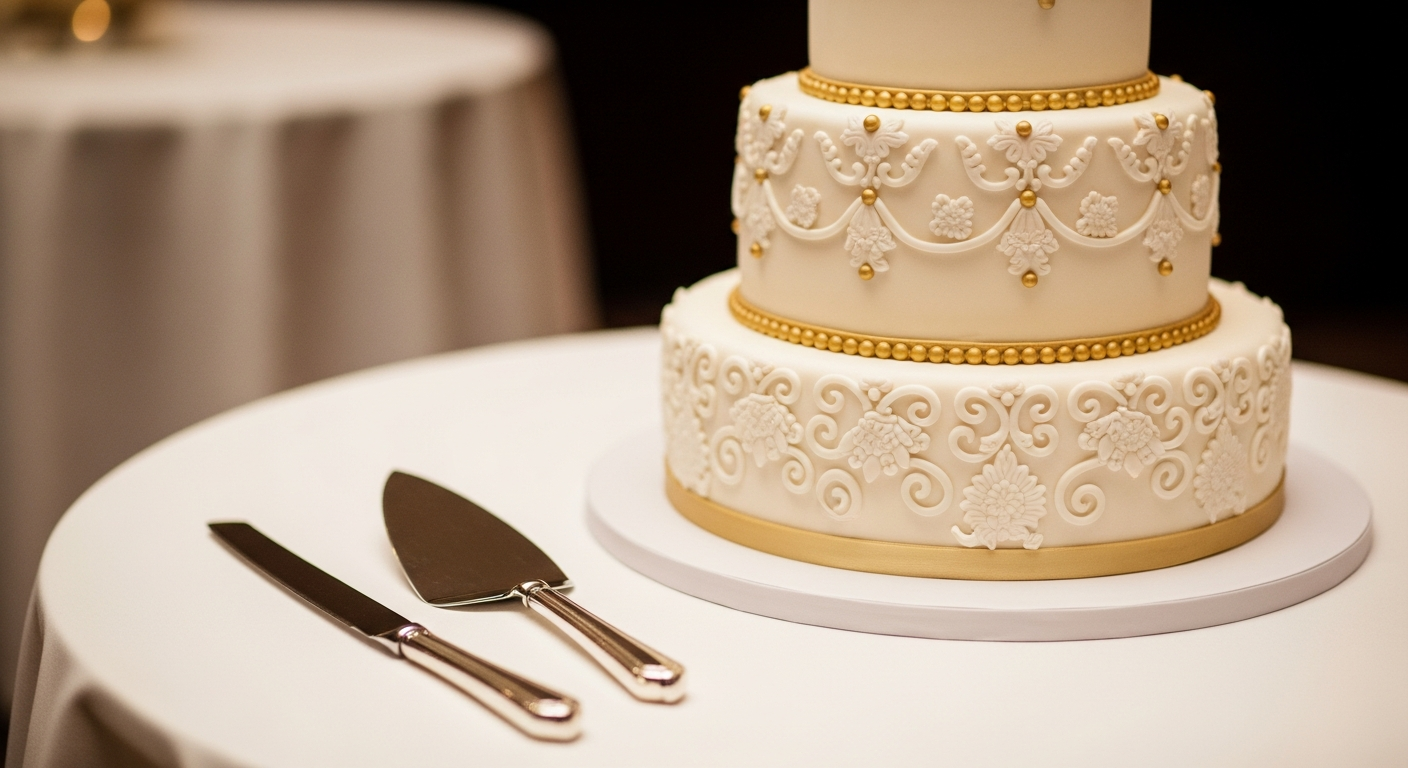
- Ask your baker to deliver a cake-cutting kit — a proper knife and server set that's been pre-matched to your cake style.
- Confirm whether your baker will be present during the reception or if a venue team member will manage the cake.
- Discuss how the top tier will be boxed and preserved for your anniversary.
- Confirm the serving yield: most standard 3-tier cakes serve 75–100 guests, but your baker can advise on exact portions.
With your photographer:
- Brief your photographer on the exact timing so they aren't across the room capturing candids.
- Request that they use a second shooter for coverage from multiple angles.
- Ask about the lighting near your cake table — backlit cakes can photograph beautifully or very poorly depending on the setup.
- Discuss whether you want candid "reaction" shots from guests during the feeding moment.
Looking for a baker who understands the full visual experience? If you're planning a rustic-themed celebration, you'll find dedicated local bakers who specialize in photogenic naked cakes and textured buttercream designs that translate beautifully on camera.
Making It Instagram-Worthy Without Losing the Meaning
The most photogenic cake cuttings share a few things in common:
- Clean, contrasting backdrop — avoid cluttered table settings behind the cake.
- Good lighting — position the cake near a window for daytime receptions or request a spotlight for evening events.
- Simple, deliberate movement — slow, intentional cuts read better on camera than rushed action.
- Genuine emotion — look at each other, not at the camera, for at least one of the shots.
If you're planning a modern reception, explore modern wedding cake designs that pair clean geometry with striking details — ideal for a feed-worthy photo moment.
Common Mistakes to Avoid
- Not informing your DJ or emcee. They need to announce the cake cutting so guests gather around.
- Forgetting the cake knife. It sounds basic, but it's more common than you'd think — confirm with your venue.
- Choosing the wrong moment. Cutting the cake while half your guests are on the dance floor means fewer smiling faces in the background.
- Not saving the top tier. Instruct catering staff explicitly to box and refrigerate it before the general cake is cut.
- Rushing through it. Give yourself 5–10 full minutes for this moment. It goes fast.
Final Thoughts on Cake Cutting Etiquette
Following the wedding cake cutting ceremony etiquette rules doesn't mean surrendering your personality — it means building a framework so you can enjoy the moment without logistical stress. Communicate with your vendors, plan your timing, and decide together how you want to handle the feeding tradition. The rest is just joy.
For couples still in the cake-discovery phase, start by browsing local bakers in your area. Whether you're in Austin, TX or planning a destination celebration in London, WeddingCakeHub connects you with talented bakers who can bring your vision — and your ceremony moment — to life.
Frequently Asked Questions
What is the proper time to cut the wedding cake during the reception?
The ideal time to cut your wedding cake is 60 to 90 minutes after dinner service begins — after the main course but while guests are still energized and present. Coordinate the exact timing with your venue coordinator, catering manager, and DJ at least a week before the wedding to ensure everyone is aligned.
Who is supposed to cut the wedding cake?
Both partners traditionally cut the cake together, with joined hands on the knife. The partner with the wedding ring typically places their hand over the other's. The cut is made into the bottom tier of the cake. Some couples choose a single partner to cut first based on cultural or personal tradition.
Is it bad etiquette to smash cake in your partner's face?
It's a personal choice, but wedding etiquette experts generally advise against it — especially if one partner isn't expecting it. Cake smashing can damage hair, makeup, and attire, and photos of the moment can be polarizing. Discuss it with your partner beforehand so the decision is mutual and intentional.
Should you save the top tier of your wedding cake?
Yes — the top tier is traditionally saved and frozen for your first wedding anniversary. Instruct your catering staff explicitly to box it separately before they begin serving slices to guests. Your baker can advise on the best wrapping method to preserve flavor and texture for up to a year.
How do I make sure my photographer captures the cake cutting perfectly?
Brief your photographer on the exact time of the cake cutting well in advance. Request a second shooter for multiple angles, discuss the lighting near your cake table, and slow down your movements during the ceremony so they can capture sharp, well-composed shots. Eye contact with each other — not the camera — often produces the most beautiful, authentic images.
Written by Sarah Mitchell
Senior Cake Consultant at WeddingCakes Hub. Helping couples find their perfect wedding cake.
Sponsored
RetailPOS AI — Smart Point of Sale for Bakeries
Streamline your bakery operations with AI-powered POS — manage orders, track inventory, and grow your business with intelligent analytics.
Learn more →You May Also Like
Beyond the Big Day: 7 Creative Wedding Cake Topper Re-use Ideas
Don't let your wedding cake topper gather dust! Discover creative and sentimental re-use ideas to turn your cherished memento into a lasting part of your home.
Jul 1, 2026
The Ultimate Guide to a Wedding Cake Flavor Map for Guests
Planning multiple cake flavors? Our guide shows you how to create a beautiful wedding cake flavor map for guests. Discover creative ideas for signs and cards!
Jun 23, 2026
The Groom's Cake Tradition & Planning Tips for Your Wedding
Unlock the groom's cake tradition with our essential planning tips! Discover its history, find unique ideas, and learn how to surprise your partner perfectly.
Jun 20, 2026
Looking for a wedding cake baker?
Browse our directory to find the perfect baker near you.
Find Bakers