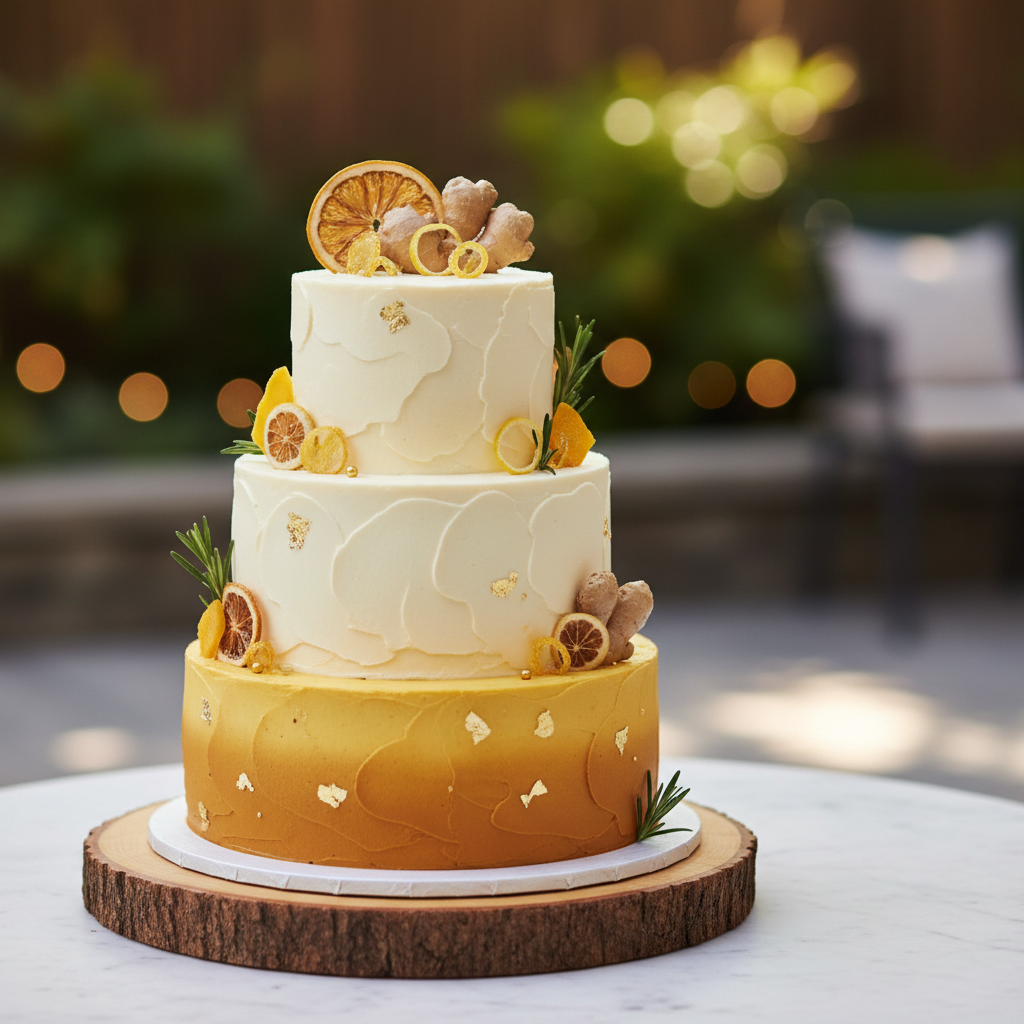
Wedding Cake Flavors That Hold Up in Heat: The Ultimate Summer & Outdoor Guide
Discover the best wedding cake flavors that hold up in heat. Expert tips on frostings, storage, and timing for summer and outdoor weddings.
Sarah Mitchell
Planning an outdoor or summer wedding is magical — but nothing derails that magic faster than a melting cake. If you're worried about your dream dessert wilting in the heat, you're not alone. Choosing wedding cake flavors that hold up in heat is one of the most overlooked (and most important) decisions you'll make. This guide gives you everything you need to serve a stunning, delicious cake no matter how high the mercury climbs.
Why Heat Is a Wedding Cake's Worst Enemy
Heat affects every element of a wedding cake — from the structural integrity of the tiers to the texture of the frosting and the freshness of the filling. Buttercream softens, fondant can sweat, fruit fillings can ferment, and delicate sugar decorations can droop or dissolve. Understanding why heat causes problems helps you make smarter choices when planning your summer or outdoor celebration.
The biggest culprits are high-fat frostings (like traditional American buttercream), moisture-heavy fillings (think fresh fruit or whipped cream), and intricate sugar work that's sensitive to humidity. The good news? With the right flavor and frosting combinations, your cake can look and taste incredible even on a sweltering day.
The Best Wedding Cake Flavors That Hold Up in Heat
Not all cake flavors respond to warmth the same way. Here are the top performers for hot-weather weddings:
Citrus Cakes (Lemon, Orange, Grapefruit)
Citrus-based cakes are naturally bright and refreshing, which feels appropriate for summer. More importantly, the acidity in citrus zest and curd acts as a natural preservative, slowing spoilage and keeping flavor vibrant longer. A lemon cake with lemon curd filling is one of the most heat-resilient options available.
Almond and Vanilla Bean Cake
Dense, moist cakes like almond or rich vanilla bean hold their structure well in heat. Avoid overly airy, whipped batters — they dry out faster. A tight crumb structure keeps things stable.
Chocolate Cake (Dark, Not Milk)
Dark chocolate cake is surprisingly heat-tolerant. The higher cocoa content stabilizes the crumb, and a ganache filling (made with dark chocolate and heavy cream) actually firms up beautifully in mild heat. Avoid milk chocolate, which can turn greasy when warm.
Spiced Cake (Cardamom, Chai, Cinnamon)
Spiced cakes have excellent flavor staying power. Their bold notes don't fade with temperature changes, and they pair wonderfully with heat-resistant frostings like Swiss meringue buttercream.
Olive Oil or Coconut Oil Cake
Cakes made with liquid fats instead of butter have a denser, more stable crumb that holds moisture well in warm conditions — a secret weapon for outdoor weddings.
Frostings That Won't Melt: Buttercream Alternatives and Better Choices
Choosing the right frosting is just as important as choosing the right flavor. These are your best options for warm-weather weddings:
Swiss or Italian Meringue Buttercream
Unlike American buttercream (which is mostly powdered sugar and butter), Swiss and Italian meringue buttercreams are made with cooked egg whites and have a lower sugar content. They're silkier, less sweet, and significantly more heat-stable. If you've been told you must use fondant for an outdoor wedding, ask your baker about Swiss meringue buttercream first — it's a game changer.
Whipped Ganache
A dark chocolate whipped ganache is one of the most heat-resistant frostings available. It holds its shape well into the mid-80s°F and develops a beautiful matte finish. It's also deeply flavorful.
Cream Cheese Frosting (With Caveats)
Cream cheese frosting is popular for summer because of its tangy flavor, but it does require refrigeration. It can work for outdoor weddings if your timeline and storage plan are tight. Pair it with a lemon or carrot cake for a classic, crowd-pleasing combination.
Fondant: Friend or Foe?
Fondant is often recommended for outdoor weddings because it forms a protective shell — but in humid conditions, it can sweat and develop sticky, unsightly beads of moisture. If you love the smooth, polished look fondant offers, ask your baker to apply a thin crumb coat of Swiss meringue buttercream underneath as insulation. Not sure which style suits your wedding? Take our quick cake style quiz to find the look that matches your vision.
Fillings to Avoid (and What to Use Instead)
Fillings are the most vulnerable part of any cake in hot weather. Avoid:
- Fresh whipped cream — deflates and sours quickly above 70°F
- Fresh cut fruit — releases moisture and can ferment
- Pastry cream or custard — requires strict refrigeration and spoils fast
Instead, choose:
- Lemon curd — stable, flavorful, and acidic enough to resist spoilage
- Ganache — firms up in mild heat
- Jam or fruit preserves — lower moisture content than fresh fruit, more shelf-stable
- Nut-based fillings (praline, almond paste) — naturally heat-stable and rich
Storage Strategies for Hot Venues
Even the most heat-resistant wedding cake needs smart logistics. Here's how to protect your investment:
1. Keep it refrigerated until the last possible moment. Work with your venue coordinator to identify a cool, shaded holding area — ideally an air-conditioned room. Your cake should only be displayed for 1–2 hours maximum in warm conditions.
2. Avoid direct sunlight at all costs. UV rays accelerate heat buildup, especially on fondant-covered cakes. Position the cake table in full shade, ideally near a building or under a dedicated tent.
3. Rent a portable cooler or refrigerated display case. For high-end outdoor events, some rental companies offer refrigerated display options. Ask your caterer or event planner.
4. Time the cake cutting strategically. Schedule the cake cutting early in the reception, ideally before the hottest part of the afternoon. Once sliced, serve immediately — don't let cut pieces sit.
5. Communicate with your baker. A skilled baker will advise on doweling, structural support, and insulation layers. If you're searching for an experienced professional in your area, browse our directory of wedding cake bakers to find specialists who understand local climate challenges.
Timing Tips: When to Order, Deliver, and Display
Timing is everything with a summer wedding cake. Follow these guidelines:
- Order early — Summer is peak wedding season. Book your baker 9–12 months in advance.
- Request same-day delivery — The cake should arrive the day of the wedding, not the night before.
- Discuss delivery windows with your baker — Many experienced bakers schedule summer deliveries for early morning to avoid peak heat.
- Confirm your venue's refrigeration — Before signing any cake contract, verify that your venue can store the cake properly until setup time.
Regional Considerations: Heat Varies by Location
A 75°F summer day in Seattle feels very different from 75°F in Houston. If you're getting married in a genuinely hot climate, the stakes are higher. For couples planning weddings in warmer regions, working with a local baker who understands your specific climate is invaluable. For example, bakers in cities like Austin, TX or Miami, FL regularly craft cakes engineered for extreme heat and humidity — they've already solved problems that bakers in cooler climates haven't encountered.
For those planning elegant outdoor celebrations, a rustic-style wedding cake with a semi-naked or lightly frosted design can actually work beautifully in summer — less frosting surface area means less frosting to melt. Semi-naked cakes also allow excess moisture to escape rather than trap it beneath a fondant layer.
Final Checklist: Summer Wedding Cake Success
✅ Choose citrus, dark chocolate, almond, or spiced flavors ✅ Use Swiss or Italian meringue buttercream, or whipped ganache ✅ Avoid fresh whipped cream, custard, or fresh cut fruit fillings ✅ Confirm refrigerated storage at your venue ✅ Plan for shade and minimal display time ✅ Schedule cake cutting early in your reception timeline ✅ Book a local baker experienced with your climate
With the right planning, your wedding cake can be just as breathtaking in July as it would be in October. The key is making informed choices — and partnering with a baker who's done it before.
Frequently Asked Questions
What is the best frosting for an outdoor summer wedding cake?
Swiss meringue buttercream and whipped dark chocolate ganache are the most heat-resistant frostings. Both hold their shape better than traditional American buttercream, which can melt and become greasy in warm temperatures. Fondant offers structural protection but can sweat in humidity, so use it over a buttercream base layer for best results.
What wedding cake flavors hold up best in hot weather?
Citrus flavors (especially lemon), dark chocolate, almond, vanilla bean, and spiced cakes all perform well in heat. They use denser crumb structures and bold flavor profiles that don't fade with temperature changes. Avoid delicate, airy cakes and anything with fresh cream or custard fillings, which spoil quickly above 70°F.
How long can a wedding cake sit out in the heat?
In temperatures above 75°F, a frosted wedding cake should not sit out for more than 1–2 hours. Direct sunlight can cause even a well-made cake to deteriorate much faster. Keep the cake refrigerated or in a cool, air-conditioned space until just before display, and schedule the cake cutting early in the reception.
Can you have a buttercream cake for an outdoor summer wedding?
Yes, but choose the right type. Swiss meringue or Italian meringue buttercream is far more heat-stable than American buttercream. These are made with cooked egg whites and have a lower sugar ratio, making them silkier and more resistant to warm temperatures. Ask your baker specifically about their buttercream formula before booking.
Should I use fondant for my outdoor wedding cake to prevent melting?
Fondant can help protect a cake structurally, but it's not foolproof in humidity — it can sweat and become sticky. Many bakers recommend a hybrid approach: Swiss meringue buttercream crumb coat underneath fondant for insulation. For very humid climates, a well-executed meringue buttercream finish without fondant often performs better overall.
Written by Sarah Mitchell
Senior Cake Consultant at WeddingCakes Hub. Helping couples find their perfect wedding cake.
Sponsored
RetailPOS AI — Smart Point of Sale for Bakeries
Streamline your bakery operations with AI-powered POS — manage orders, track inventory, and grow your business with intelligent analytics.
Learn more →You May Also Like
How to Write Perfect Wedding Cake Cutting Instructions for Caterers
Don't leave your beautiful wedding cake to chance! Our guide provides clear wedding cake cutting instructions for caterers to ensure perfect slices for every guest.
Jul 2, 2026
Beyond Delivery: Ensuring Your Wedding Cake Looks Picture-Perfect All Reception
Worried about your cake wilting? Our expert guide offers actionable tips for ensuring your wedding cake looks picture-perfect all reception long, from reveal to last dance.
Jun 30, 2026
6 Elegant Wedding Cake Allergy Display Ideas for a Safe Celebration
Keep guests safe and informed with these elegant wedding cake allergy display ideas. Discover creative and practical ways to label allergens like nuts and gluten.
Jun 25, 2026
Looking for a wedding cake baker?
Browse our directory to find the perfect baker near you.
Find Bakers