Wedding Cake Flavors That Photograph Well: The Complete Visual Guide for Picture-Perfect Cakes
Discover which wedding cake flavors photograph well, plus frosting textures, colors & designs that look stunning on camera and Instagram.
Michael Torres
Your wedding cake will be one of the most photographed moments of your entire day — so why leave its visual impact to chance? Whether you're envisioning a dreamy soft-focus portrait or a bold, editorial flat lay, the flavors, frostings, and finishes you choose have a dramatic effect on how your cake translates on camera. This guide walks you through everything you need to know to choose a cake that tastes incredible and steals the show in every shot.
Why Your Cake's Visual Design Matters as Much as Taste
Most couples spend hours debating flavor combinations but give surprisingly little thought to how their cake will look under venue lighting, in natural window light, or through a professional photographer's lens. The truth is, certain wedding cake flavors that photograph well share specific visual qualities — contrast, texture, dimensional interest — that make them pop whether you're sharing to Instagram or printing a 20x30 canvas for your home.
A stunning cake design isn't just about beauty in the moment. It becomes a permanent part of your wedding story, so it's worth coordinating your cake vision with your photographer and your baker well in advance.
Frosting Types That Look Stunning on Camera
Your frosting choice is arguably the single biggest factor in how photogenic your cake will be.
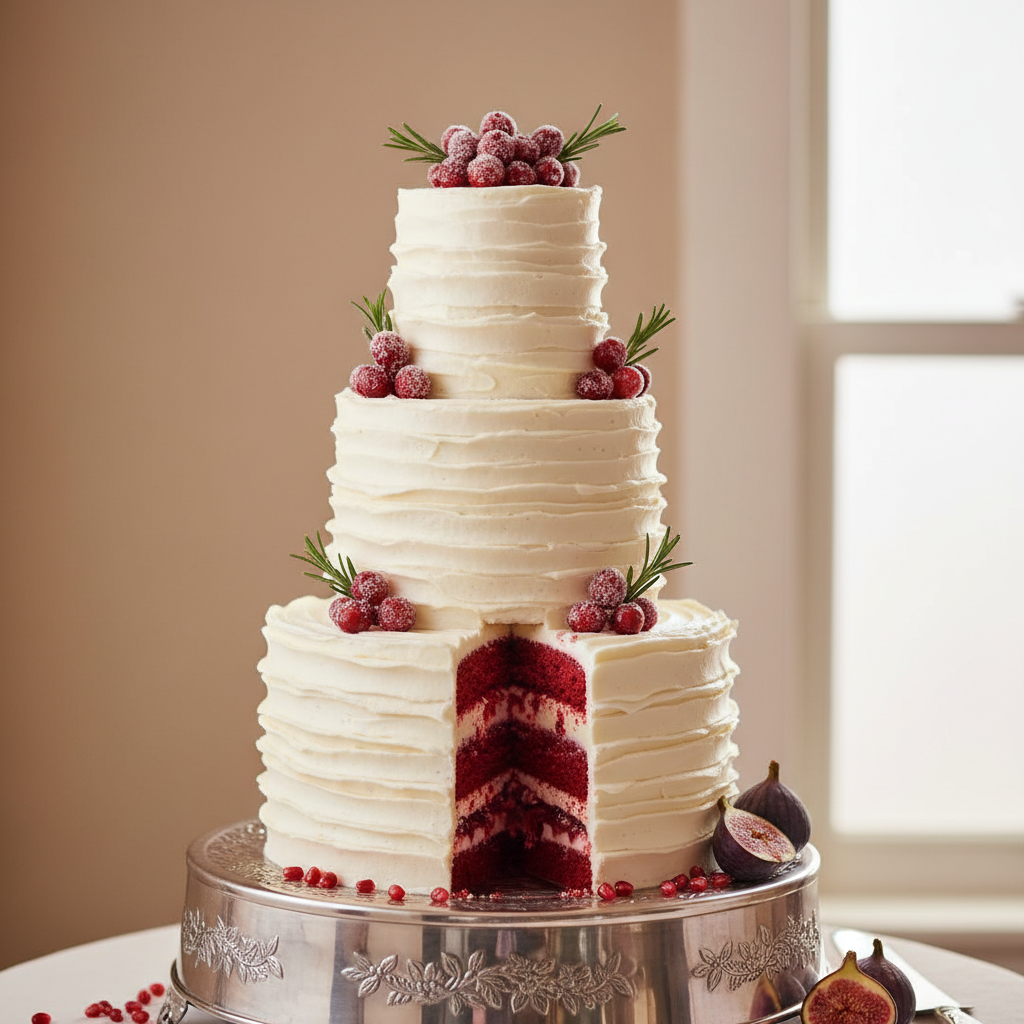
Buttercream is the reigning champion of camera-ready cakes. Its matte, slightly imperfect finish diffuses light beautifully and avoids the harsh glare that can flatten a cake in photos. Textured buttercream styles — palette knife strokes, ruffles, and organic swipes — create depth and shadow that give photographers something dynamic to work with.
Swiss and Italian meringue buttercreams are silkier and slightly shinier than American buttercream, lending a sophisticated, almost porcelain-like appearance that photographs beautifully in bright, airy venues.
Fondant creates a flawlessly smooth canvas ideal for intricate painted details, geometric patterns, and sugar flowers. The seamless surface photographs with a clean elegance, though it can appear flat if the design lacks dimensional elements.
Naked and semi-naked cakes expose the layers of sponge and filling, creating irresistible texture and warmth. These are among the most photogenic options for rustic, bohemian, or outdoor weddings. If you love this aesthetic, browse rustic wedding cake styles to see how bakers execute this look beautifully.
Wedding Cake Flavors That Photograph Well: The Visual Logic
Here's something most couples don't realize: the filling and internal layers of your cake matter photographically too — especially for the cake-cutting moment and styled cross-section shots that are increasingly popular.
Lemon with raspberry filling is one of the most camera-friendly combinations available. The pale yellow sponge against vibrant raspberry compote creates striking contrast, and the jewel-toned filling catches light beautifully. This is one of the definitive wedding cake flavors that photograph well for editorial-style shoots.
Rich chocolate with salted caramel offers deep, warm tones that look dramatic and luxurious in photographs. The dark sponge paired with amber caramel layers photographs especially well in candlelit evening receptions.
Champagne or vanilla sponge with fresh strawberry filling delivers soft blush tones inside the cake — perfect for romantic, pastel-themed weddings and absolutely stunning when the cake is cut on camera.
Earl Grey with lavender cream is a rising trend that photographs with a subtle purple-grey hue — sophisticated and utterly unique on camera.
Red velvet deserves special mention. Its signature crimson sponge against white cream cheese frosting is one of the most visually dramatic cakes possible for cutting-the-cake moments. It's a perennial favorite among wedding cake flavors that photograph well precisely because of this built-in contrast.
Colors That Pop in Wedding Photos
Color theory plays a huge role in photogenic cake design. Here's what works:
- Soft whites and ivory reflect light evenly and complement virtually every wedding palette. They're timeless and versatile.
- Dusty rose, sage green, and muted terracotta are extremely camera-friendly — rich enough to show up but not so saturated they distort under flash.
- Deep jewel tones (navy, emerald, burgundy) look incredible in moody, candlelit photography but can appear muddy in bright outdoor light.
- Metallic accents — gold leaf, silver leaf, and edible bronze — catch light dynamically and photograph with a luxurious shimmer.
Avoid neon or highly saturated colors in frosting unless your photographer specifically recommends them — they can bleed color onto surrounding elements in photos.
Textures and Decorative Elements That Shine on Camera
Texture creates the light and shadow that make photographs three-dimensional. The most photogenic cake textures include:
- Pressed dried flowers and botanicals — natural, organic, and warmly textured
- Hand-painted watercolor or brushstroke details — artistic and editorial
- Sugar flowers — highly dimensional and endlessly versatile
- Geometric fondant panels — bold and modern
- Wafer paper ruffles — delicate and ethereal
If you're drawn to clean lines and contemporary finishes, explore modern wedding cake styles for inspiration on how texture and minimalism work together beautifully.
Coordinating Your Cake with Venue and Theme
Your cake should feel like it belongs in the room — not dropped in from a different wedding. Consider these coordination strategies:
For garden and outdoor venues: Opt for semi-naked cakes with fresh blooms, or buttercream with pressed botanicals. Earthy tones and organic textures blend seamlessly with natural surroundings.
For ballroom and formal venues: Fondant cakes with metallic detailing, sugar flowers, and architectural tiers photograph grandly against ornate backdrops.
For industrial or urban spaces: Geometric patterns, monochrome palettes, and graphic fondant designs photograph with editorial impact.
If you're based in a major city, local bakers often specialize in designs that suit specific venue aesthetics in your area. Searching for bakers in Austin, TX or London, England, for example, will connect you with professionals who know local venues inside and out.
Working With Your Baker and Photographer Together
The most photogenic wedding cakes result from genuine collaboration between your baker and photographer. Share your photographer's portfolio with your baker so they can understand the typical lighting conditions and aesthetic. Many photographers actively prefer certain frosting finishes because of how they render in their editing style.
Ask your baker for a tasting that includes a small display cake — sometimes called a "show tier" — so you can photograph it in your actual venue lighting before the wedding day.
Not sure which direction to take your cake design? Our wedding cake style quiz can help you identify which aesthetic suits your vision, making it easier to brief your baker with confidence.
Practical Pre-Wedding Photography Checklist
Before finalizing your cake design, run through this checklist:
- Share venue photos with your baker — lighting conditions vary enormously
- Confirm whether your reception is day or evening — this affects color and finish choices
- Ask your photographer which frosting finishes they find easiest to work with
- Discuss the cake cutting moment — does your filling create visual interest when sliced?
- Consider a "details" shot of the cake before guests arrive — the best cakes earn their own dedicated photo session
Finding the right baker who understands both flavor and visual design is the most important step of all. Browse wedding cake bakers on WeddingCakeHub to find professionals who specialize in photogenic, on-trend designs in your area.
The Bottom Line
Choosing wedding cake flavors that photograph well isn't about sacrificing taste — the best combinations deliver both. By thinking carefully about frosting finish, filling contrast, color palette, and texture, you'll end up with a cake that's a genuine showpiece in your photos for decades to come. Start with flavor, layer in visual intelligence, and the result will be nothing short of extraordinary.
Frequently Asked Questions
Which frosting type photographs best for a wedding cake?
Textured buttercream is widely considered the most photogenic frosting because its matte finish diffuses light evenly and avoids glare. Swiss meringue buttercream has a silkier, porcelain-like sheen ideal for bright venues. Fondant is excellent for intricate painted details. Naked cakes photograph beautifully at outdoor and rustic weddings. Discuss your venue's lighting with your baker before choosing.
What are the most photogenic wedding cake flavors?
Wedding cake flavors that photograph well include lemon with raspberry filling (vibrant color contrast), red velvet with cream cheese frosting (dramatic crimson layers), champagne with fresh strawberry (soft blush tones), and chocolate with salted caramel (rich, warm depth). The key is choosing fillings that create visual contrast when the cake is cut, making for stunning photography at the cake-cutting moment.
Should my wedding cake color match my wedding color palette?
Yes, but with nuance. Your cake should complement your palette, not necessarily match it exactly. Muted, dusty tones photograph better than saturated colors. Work with your baker to find versions of your wedding colors that translate beautifully on camera — for example, dusty rose instead of hot pink, or sage instead of bright green. Metallic accents like gold leaf can bridge almost any palette elegantly.
How do I make my wedding cake look good on Instagram?
For Instagram-worthy wedding cake photos, prioritize dimensional texture (ruffles, sugar flowers, brushstrokes), strong color contrast between tiers or between frosting and filling, and a design that coordinates with your venue backdrop. Brief your photographer about dedicated cake detail shots before the reception begins. Semi-naked and hand-painted buttercream cakes tend to perform exceptionally well on social media due to their artisanal, editorial quality.
How far in advance should I book my wedding cake baker?
Most experienced wedding cake bakers book 6–12 months in advance, particularly for peak wedding season dates (May–October). As soon as your venue and date are confirmed, begin reaching out to bakers. This timeline also gives you adequate opportunity to schedule tastings, discuss design revisions, and align the cake design with your photography vision — all of which take more time than most couples expect.
Written by Michael Torres
Culinary Features Editor at WeddingCakes Hub. Helping couples find their perfect wedding cake.
Sponsored
BakeOnyx AI — AI-Powered Cake Design Tools
Turn your cake vision into reality — generate custom designs, get instant pricing estimates, and streamline your baking workflow with AI.
Learn more →You May Also Like
A Sweet Story: How to Design a Wedding Cake Featuring Your Proposal Location
Transform your cake into a storytelling masterpiece. Learn how to design a stunning wedding cake featuring your proposal location, from landmarks to landscapes.
Jun 26, 2026
The Ultimate Guide to a Wedding Cake Flavor Map for Guests
Planning multiple cake flavors? Our guide shows you how to create a beautiful wedding cake flavor map for guests. Discover creative ideas for signs and cards!
Jun 23, 2026
A Taste of Togetherness: Inspiring Multicultural Wedding Cake Designs
Celebrate your unique love story! Discover actionable tips and inspiring ideas for beautiful multicultural wedding cake designs that blend your diverse heritages.
Jun 21, 2026
Looking for a wedding cake baker?
Browse our directory to find the perfect baker near you.
Find Bakers